
Guide
Buying in Salado vs Belton
Kevin Shoun · Published August 13, 2026
How Salado and Belton differ for buyers — creek-side estates versus lake living — from the Office of Kevin Shoun in Central Texas.
Salado and Belton sit a few miles apart on I-35, yet they ask different things of a buyer. One is a creek village with a Main Street cadence. The other is a small city organized around a lake, a courthouse square, and established neighborhoods. Choosing between them is less about which is “better” and more about which daily life you want to own.
This is a character guide — not a price sheet. Markets move. The feel of a place does not.
Two towns, one corridor
Both communities sit in Bell County, between Temple and the northern pull of Georgetown. Both are reachable from Fort Cavazos, Austin-Bergstrom, and the medical employment in Temple. Both attract professionals who want more land, more quiet, and less of the Austin-adjacent rush.
The difference is temperament.
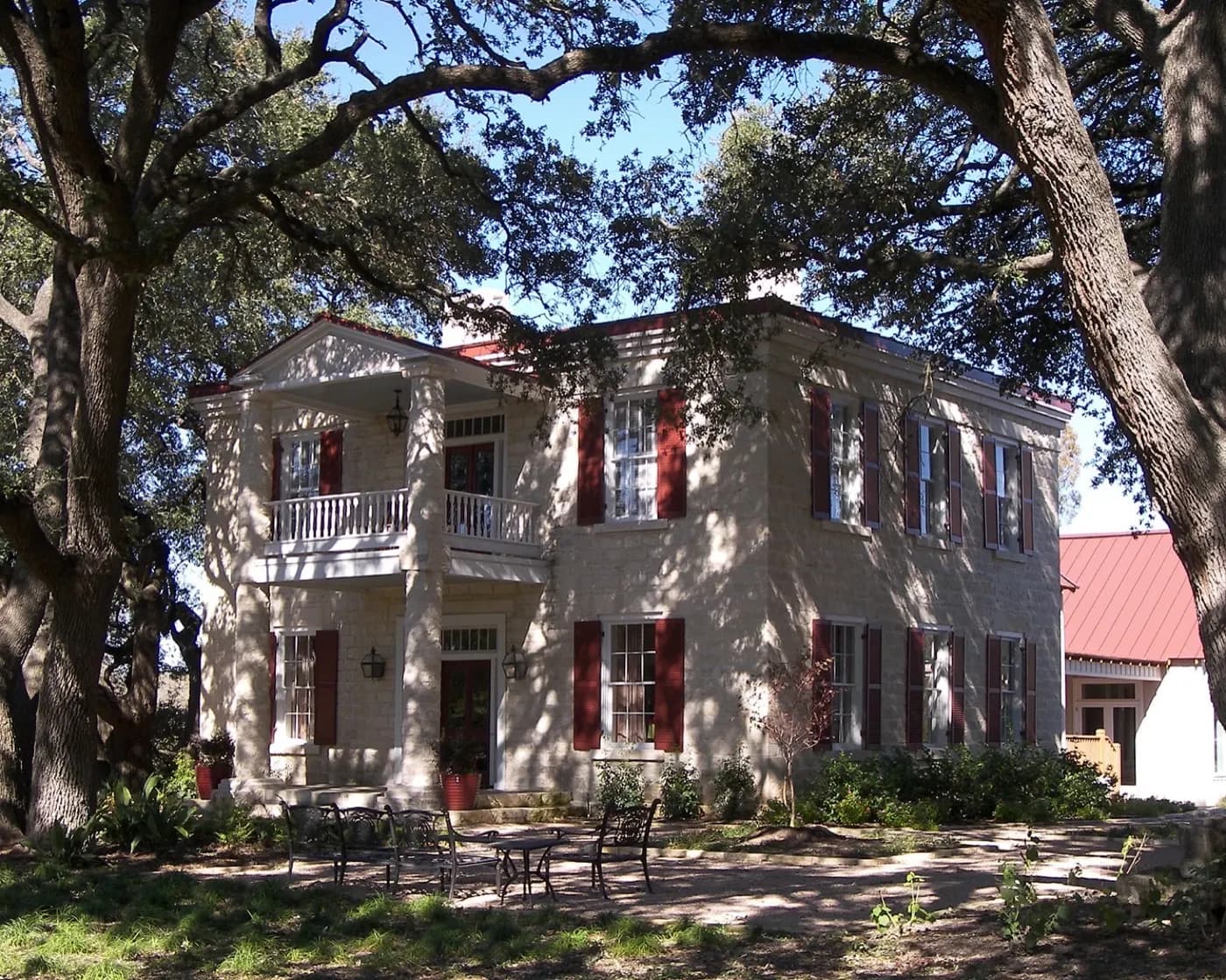
Salado is compact and curated. Limestone, live oaks, and the creek set the visual language. Main Street is walkable in the way visitors remember: galleries, dining, a slower evening. Homes here often trade on setting — acreage, creek influence, a sense of arrival — more than on a subdivision amenity list.
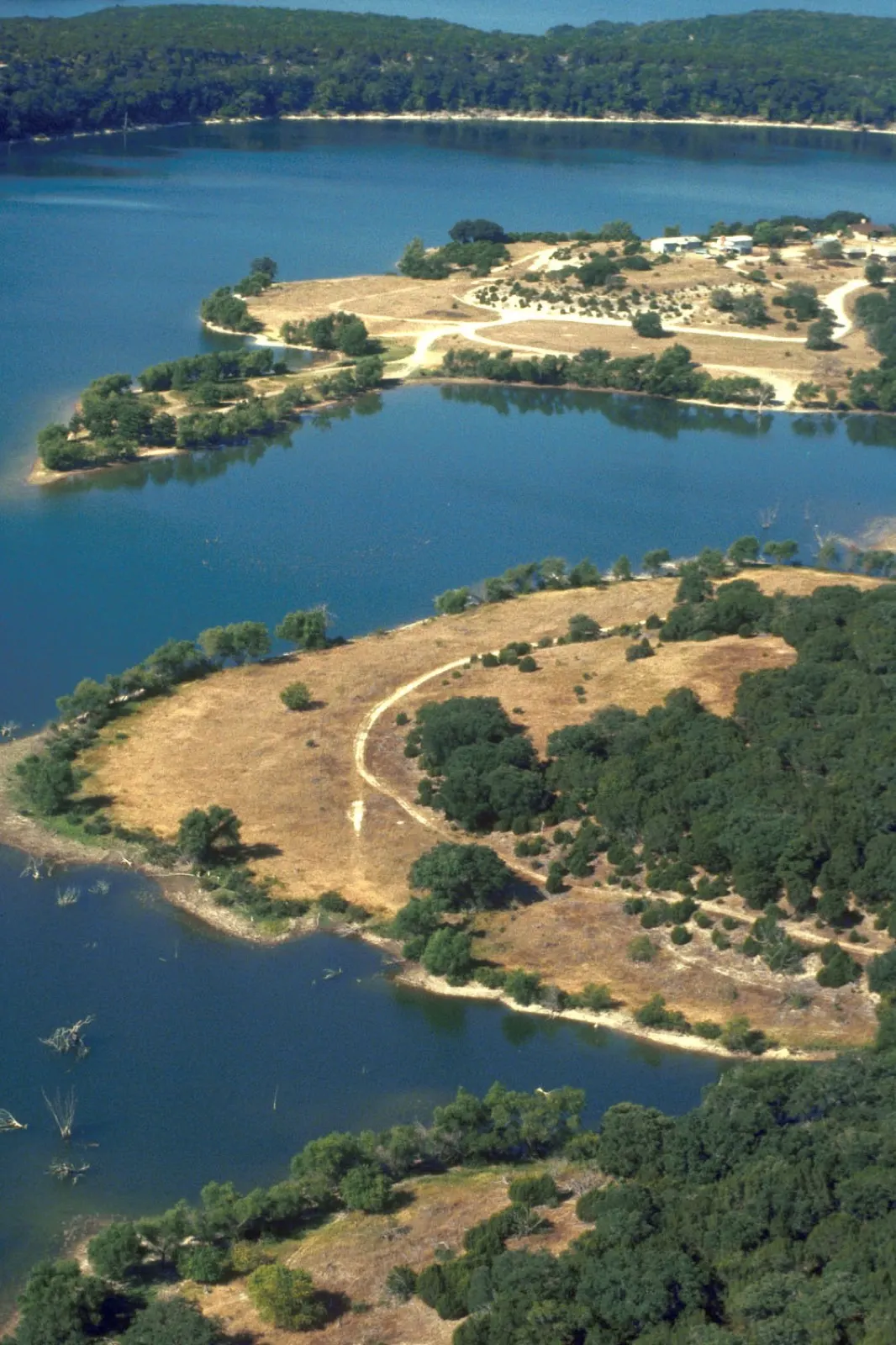
Belton is larger, more layered, and more practical in the everyday sense. Lake Belton is the geographic fact that organizes recreation. Downtown has a courthouse-square gravity. Neighborhoods range from established streets near the lake to newer construction with a clearer inventory of three- and four-bedroom plans. If Salado is a village you choose, Belton is a city you live in.
Who Salado is for
Buyers who land in Salado usually already know why. They want a quieter luxury address: fewer through-streets, more trees, a home that feels like a destination at the end of the day. The village scale is the point. You are not buying a master plan with a clubhouse calendar. You are buying proximity to the creek, to Main Street, and to a version of Central Texas that still reads as rural-adjacent.
That scale has tradeoffs. Inventory is thinner. The right house may take patience. Architectural character varies — historic, contemporary limestone, acreage with a longer driveway — and “comparable” is a softer word here than in a tract neighborhood. If you need a specific bedroom count, a particular school assignment, or a closing date measured in weeks, Salado can still work. It simply rewards a buyer who can wait for the property that fits rather than forcing a fit onto whatever is active this month.
Salado also suits sellers of consequence who want discretion. A creek-side estate does not need volume marketing. It needs the right eyes and a presentation that matches the property.
Who Belton is for
Belton tends to fit buyers who want a complete small-city life: lake access, a functioning downtown, grocery and service density, and a wider band of housing. Families relocating for Temple’s medical corridor or for military timelines often find Belton more forgiving on inventory and commute math. You can be on the water, near downtown, or in a quieter pocket without leaving the same municipal map.
The lake is not a backdrop. It shapes weekends, boat ramps, and the premium on certain streets. It also means you should look at elevation, flood questions, and HOA or lakefront rules with the same care you would give a view. Representation here is not a brochure. It is knowing which docks and which streets actually live the way the listing photographs suggest.
Belton’s range is the advantage. A first Central Texas purchase, a move up from Temple, or a landing pad during a PCS can all find a plausible address. The work is matching the neighborhood to the life — not assuming “Belton” is a single product.
Commute, cadence, and daily life
On a map, the drive between the two is short. In a week, they feel different.
Salado’s cadence is village-slow: walk Main Street, host at home, use Temple and Belton for the errands that a creek town does not try to be. Belton absorbs more of the week locally — schools, services, lake time, a square that still functions as a center. Neither is a suburb of Austin in the Williamson County sense. Both are Bell County places with their own gravity.
Military and medical relocation should treat commute as a lived week, not a single GPS pin. Fort Cavazos access is real from both. Temple’s employment centers are real from both. The question is whether you want the village evening after that drive, or the small-city one.
How to decide without rushing the market
Start with the life, then look at listings. If you already know you want creek, oaks, and a quieter address, begin in Salado and use Belton as the comparison — not the default. If you need lake living, a wider inventory, or a more conventional neighborhood fabric, reverse that order.
Walk both downtowns at the hour you would actually use them. Drive the route you would take on a Tuesday, not a Saturday. Ask what “close to the water” or “in the village” means on that specific street. Then look at featured listings and the full MLS search with that filter in mind.
When you are ready to move with precision, request a private consult. The Office of Kevin Shoun represents buyers and sellers across Salado, Belton, Temple, Georgetown, and the Bell–Williamson corridor — with fewer concurrent priorities and more presence at the moments that matter.
FAQ
Is Salado more expensive than Belton?
Not as a rule you can print. Salado’s thinner inventory and setting-driven homes can read as more precious; Belton’s wider range includes both lake premiums and more conventional neighborhood pricing. Compare the specific property, not the town name.
Which is better for a military relocation?
Belton often offers more active inventory and a more complete small-city week near Fort Cavazos and Temple. Salado can still be the right landing if the village setting is the point and the timeline can wait for the right house. The commute should be driven, not assumed.
Can I look in both without losing focus?
Yes — and you should, once. After that, pick a primary search and a comparison market so you are not bidding on two different lives at once. We typically stage Salado and Belton as a paired conversation, then narrow.
Do I need to live on the creek or the lake to justify the move?
No. Creek and lake explain the character of each town. Plenty of excellent streets sit a few minutes off the water and still deliver the cadence you came for. Setting is a spectrum, not a binary.